

Unhelpful Beliefs
From the moment we’re born, our experiences begin shaping the way we see ourselves, other people, and the world. Sometimes those early experiences build us up — and sometimes they leave us with painful beliefs that follow us into adulthood. Understanding how these beliefs form is the first step toward healing and changing the patterns that no longer serve us.
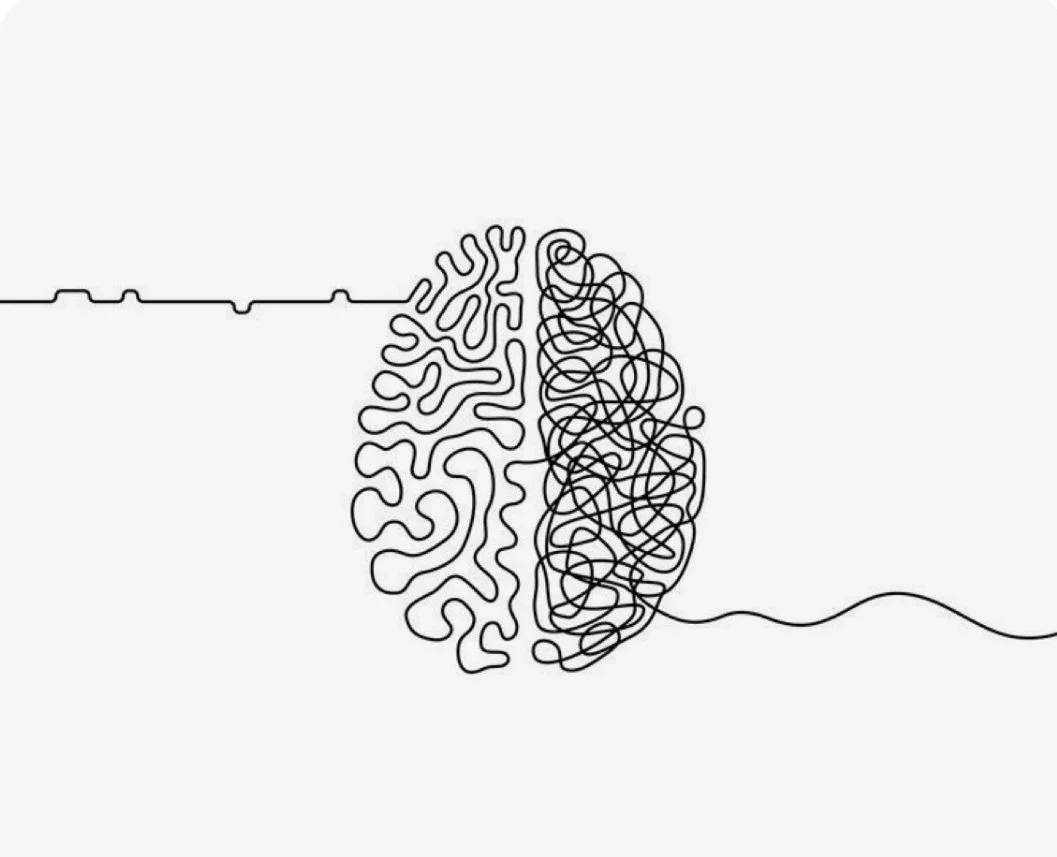
Childhood, Belief Formation & Early Maladaptive Schemas
We are all born with a blank slate — an empty block of land with the foundations ready to be built upon. Alternatively, imagine arriving in the world wearing perfectly clear glasses. As we grow, every experience we have — nurturing, painful, confusing, joyful, or ordinary — adds bricks to our house or colours the lenses we look through.
Over time, this developing “house” becomes the internal structure we live in: the beliefs we hold about ourselves, other people, and our place in the world. And the glasses, once clear, gradually tint depending on the patterns of care, connection, and emotional responses we experience.
When our early needs are consistently nurtured, the house feels stable and safe. The glasses stay relatively clear — we see the world as a place where we can thrive, belong, make choices, and be supported.
But when these needs are inconsistently met, misunderstood, or dismissed — not always through malice, often through circumstance, stress, or intergenerational patterns — the house may form with cracks, unstable beams, or dim rooms. The glasses may become tinted in ways that distort how we perceive ourselves and others. These distortions become deeply felt beliefs. They are painful, and they can feel absolutely true, but they are not truths about who we are.
They are reflections of what we experienced, not who we are at our core.
Schema Therapy calls these painful belief patterns Early Maladaptive Schemas.
The Five Core Childhood Needs
Jeffrey Young, the founder of Schema Therapy, describes five universal developmental needs. When they are met consistently, children grow with a strong sense of identity, resilience, and emotional wellbeing.
1. Secure Attachment
Safety, stability, nurturance, and acceptance
Caregivers are warm, attuned, protective, emotionally available.
The child learns: “I matter. I am safe. I am loved.”
2. Autonomy, Competence & Identity
The ability to explore, make choices, and build a sense of self
Caregivers encourage independence and age-appropriate decision-making.
The child learns: “I can do things. I can try. I trust myself.”
3. Freedom to Express Needs & Emotions
Permission to feel and express emotions without fear
Caregivers welcome emotions and respond with curiosity rather than criticism.
The child learns: “My feelings are valid. I am allowed to be human.”
4. Spontaneity & Play
Room for joy, playfulness, creativity, and lightness
Caregivers encourage fun, exploration, imagination.
The child learns: “Life is enjoyable. I can relax.”
5. Realistic Limits & Self-Control
Guidance, consistent boundaries, accountability
Caregivers model rules, self-control, responsibility.
The child learns: “Limits help me grow. I can manage myself.”
When these needs are not met — consistently, chronically, or unpredictably — a child adapts. They form beliefs about what is safe, what is expected, and who they have to be to maintain connection. These beliefs become schemas.
What Are Early Maladaptive Schemas?
Schemas are deeply ingrained, painful core beliefs formed in childhood. They shape how we interpret relationships, threats, emotions, and the world.
Schemas feel absolute — like “truth.”
But they are emotional memories, not facts.
Examples include:
“I am unlovable.”
“People will leave me.”
“My needs don’t matter.”
“I must be perfect.”
“People will hurt me.”
“I cannot cope alone.”
“Something bad will happen.”
Schemas colour our glasses. Once formed, we notice evidence that confirms them and overlook what contradicts them.
Coping Styles: How Children Adapt to Unmet Needs
Children instinctively protect themselves. When a schema is activated — when they feel vulnerable, ashamed, frightened, or unseen — they often use one of three coping responses:
1. Surrender
Acting as if the schema is true.
People-pleasing
Staying small or invisible
Repeating familiar dynamics
Choosing partners or situations that reinforce old wounds
2. Avoidance
Preventing the schema from being triggered.
Withdrawing
Detaching emotionally
Keeping busy, dissociating, intellectualising
Avoiding relationships, intimacy, or emotional risk
3. Overcompensation
Acting in the opposite direction of the schema to “defeat” it.
Controlling
Perfectionism
Dominance
High achievement
Emotional overexpression or suppression
These strategies often help a child survive their environment — but when carried into adulthood, they create patterns that can feel confusing, repetitive, or painful.
Common Schemas, Their Origins, and Coping Patterns
Emotional Deprivation
Belief:
“No one understands me, cares, guides me or meets my emotional needs.”
Origins:
The Emotional Deprivation schema can develop when a child’s needs for attention, understanding, or affection aren’t fully met, even if their caregivers provide food, shelter, and other material support. Sometimes parents are busy, stressed, or unsure how to respond to emotional needs, and over time, the child may feel that their emotional needs won’t always be met.
Coping:
Avoidance: avoiding intimacy
Overcompensation: emotional demands
Surrender: choosing emotionally unavailable partners
Defectiveness / Shame
Belief:
“I am not good enough.” “I am broken or unlovable. or flawed.” “If people really knew me, they would reject me”
Origins:
The Defectiveness/Shame schema can develop when a child experiences harsh criticism, rejection, or subtle messages of conditional acceptance, such as comparisons, disappointment, or being ignored. Even when parents are well-intentioned, these experiences—especially if repeated—can lead the child to internalize the belief that something is inherently wrong or flawed about them.
Coping:
Avoidance: avoiding relationships or closeness in relationships
Overcompensating: criticising others, acting grandiose, trying to be perfect
Surrender: self-criticising, choosing relationships that criticise
Abandonment
Belief:
“People will leave me.” “I cannot depend on others.” “I am destined to be alone".”
Origins:
The Abandonment/Instability schema can develop when a child experiences loss, inconsistent caregiving, or emotional unavailability from important caregivers. Even when parents love their child and do their best, situations like illness, stress, separation, or other life challenges can make the child feel that people they rely on might not always be there or able to provide support.
Coping:
Avoidance: avoiding relationships, soothing through withdrawal
Overcompensating: hyper-independence
Surrender: clinging in relationships, choosing unavailable partners
Mistrust / Abuse
Belief:
“People will hurt me.” “People cannot be trusted”
Origins:
The Mistrust/Abuse schema can develop when a child experiences betrayal, abuse, or inconsistent care from caregivers or other important adults. Even when caregivers have good intentions, situations where a child feels unsafe, let down, or taken advantage of can lead them to learn that others might not always be trustworthy or protective.
Coping:
Avoidance: avoiding vulnerability, emotional distance
Overcompensating: attacking others first, controlling
Surrender: tolerates mistreatment, choosing unsafe partners
Social Isolation
Belief:
“I don’t fit in.” “I am an outsider. “I don’t belong.”
Origins:
The Social Isolation/Alienation schema can develop when a child feels different, left out, or disconnected from peers or family. Even when caregivers are loving and well-intentioned, experiences like frequent moves, busy schedules, or mismatched personalities can leave a child feeling that they don’t fully fit in or belong.
Coping:
Avoidance: social withdrawal
Overcompensating: adapting self to fit in, becoming a chameleon and changing self to be like those around you
Surrender: focusing on how different you are to those around you
Failure
Belief: “I am inadequate.” “Others are more capable than me".”
Origins:
The Failure schema can develop when children frequently experience criticism, comparisons, or the sense that their efforts are never enough. Even when parents are well-meaning, repeated messages that highlight mistakes or shortcomings can lead a child to feel inherently inadequate or destined to fail. This can be especially common for children with learning differences, who may face extra challenges and feedback about performance despite their best efforts.
Coping:
Avoidance: avoiding anything that involves the chance of failing
Overcompensating: overachieving
Surrender: giving up and not trying
Dependence / Incompetence
Belief:
“I can’t cope alone.” “I am not capable.” “I need the help of others.”
Origins:
The Dependence/Incompetence schema can develop when caregivers are protective and unintentionally limit opportunities for a child to make decisions, learn independence and grow confidence in their own capacity. Even with the best intentions, children may come to feel that they cannot handle responsibilities or solve problems on their own, leading to a lasting belief in adulthood that they need help to manage everyday tasks.
Coping:
Avoidance: avoiding challenges
Overcompensating: excessive independence
Surrender: relying on others’ help, checking, seeking reassurance
Vulnerability to Harm
Belief:
“Something bad will happen to me.”
Origins:
The Vulnerability to Harm schema can develop when a child experiences strong fears, overprotection, or exposure to danger, illness, or stressful events. Even when caregivers are caring and protective, these experiences can lead the child to feel that the world is unsafe or that they cannot fully protect themselves, which may cause them to overestimate threats and feel chronically anxious.
Coping:
Avoidance: avoiding fears, situations that may have potential risk
Overcompensating: reckless behaviour
Surrender: constant worry that bad things will happen to you
Emotional Inhibition
Belief:
“Emotions are dangerous or weak.”
Origins:
The Emotional Inhibition schema can develop when children grow up in environments where expressing emotions was discouraged, criticized, or felt unsafe. Even when caregivers have good intentions, children may learn to suppress their feelings to avoid conflict or disapproval, coming to believe that staying controlled is the only way to be accepted.
Coping:
Avoidance: suppressing all emotions, avoiding situations that are emotional
Overcompensating: intentionally forcing emotions & expression awkwardly
Surrender: being completely emotionally flat, not showing emotion
Negativity / Pessimism
Belief:
“Things will go wrong.”
Origins:
The Negativity/Pessimism schema can develop in environments where caregivers naturally focused on potential dangers, problems, or worst-case scenarios. Even when caregivers are well-intentioned, children may learn to pay extra attention to what could go wrong and come to believe that constant worry or vigilance is necessary to stay safe.
Coping:
Avoidance: avoiding discomfort and problems
Overcompensating: dismissively optimistic, forced positivity
Surrender: fixated on all the negatives, always worrying & hopeless, not trying because of perceived hopelessness
Unrelenting Standards
Belief:
“I must be perfect.” “Anything less than my best is failure.”
Origins:
The Unrelenting Standards schema can develop when caregivers naturally emphasised achievement, efficiency, or perfection, or simply modelled a strong work ethic and high personal standards. Even when parents are well-meaning, children may learn that love, acceptance, or safety depend on meeting very high expectations, which can lead them to push themselves relentlessly and feel they’re never “good enough.”
Coping:
Avoidance: avoids anything that means facing their standards, procrastination
Overcompensating: not trying at all, minimal effort
Surrender: perfectionism, burn out, not implementing boundaries in order to achieve standards
Punitiveness
Belief:
“Mistakes deserve punishment.”
Origins:
The Punitiveness schema can develop when caregivers were harsh, critical, or intolerant of mistakes, responding with anger, punishment, or minimal empathy. Even when parents have good intentions, children may learn that errors are unacceptable and that both they and others should be judged harshly for being imperfect.
Coping:
Avoidance: avoids making mistakes to avoid criticism
Overcompensating: overly forgiving, lenient, avoiding holding others accountable, avoiding conflict, people pleasing through softness
Surrender: harsh self judgment, harsh towards others
Subjugation
Belief:
“My needs don’t matter; I must not upset others.”
Origins:
The Subjugation schema can develop when caregivers were controlling, dominant, or quick to induce guilt, especially when the child expressed their own needs or emotions. Even when parents acted with good intentions, children may learn that speaking up can lead to conflict or frustration, and over time they adapt by staying quiet, agreeable, and compliant to keep the peace and avoid negative reactions.
Coping:
Avoidance: avoiding speaking up out of fear of conflict, aggression, being shut down
Overcompensating: asserting needs forcefully, rebelling
Surrender: not voicing your needs, surrendering autonomy to allow others to have their preferences
Self-Sacrifice
Belief:
“Others’ needs matter more than mine.” “I must help others.” “It is selfish to care for myself if others need help.”
Origins:
The Self-Sacrifice schema can develop when a parent has high needs or is struggling, and the child naturally takes on a caregiving role, feeling they must help rather than express their own needs. Even when parents are loving and well-intentioned, this can teach the child that their value comes from putting others first, often at the expense of their own needs.
Coping:
Avoidance: avoiding situations in which you need to support others
Overcompensating: not helping anyone
Surrender: over giving, neglecting your needs, not noticing your needs, not implementing health boundaries
Approval / Recognition Seeking
Belief:
“If I’m not liked or admired, I’m not enough.” “I must be liked” “My value depends on other’s opinions".”
Origins:
The Approval-Seeking/Recognition-Seeking schema can develop when a child’s sense of worth becomes tied to praise or approval, which can happen when caregivers have a particular vision or expectations for how they hope their child will be. Even with the best intentions, the child may learn that love or acceptance is linked to meeting these expectations rather than being unconditional.
Coping:
Avoidance: avoiding situations where they might not be approved of
Overcompensating: acting in ways that provoke disapproval
Surrender: people pleasing and chasing validation
Entitlement / Grandiosity
Belief: “I am special.” “I deserve special treatment.” “Rules don’t apply.” “My needs should be met".”
Origins:
The Entitlement/Grandiosity schema can develop when a child is overindulged, spoiled, or excessively praised, or when caregivers have difficulty setting consistent limits and boundaries. Even with good intentions, this can teach the child that rules or others’ needs don’t always apply to them. It may also develop as a way to defend against underlying feelings of inadequacy.
Coping:
Avoidance: avoid environments where there are rules and may expose their need for special treatment
Overcompensating: acts humbly, selflessly, or excessively rules-abiding to prove they are not selfish
Surrender: expect their needs and preferences be met, difficulty respecting boundaries of others
Insufficient Self-Control / Self-Discipline
Belief:
“I can’t tolerate discomfort or control myself.”
Origins:
The Insufficient Self-Control/Self-Discipline schema can develop when a child hasn’t had consistent opportunities to practice patience, frustration tolerance, or managing impulses. This can happen if caregivers were very lenient, focused on protecting the child from stress, or found it difficult to set consistent limits. Over time, the child may learn to rely on immediate gratification rather than developing strong self-discipline skills.
Coping:
Avoidance: steering clear of tasks, challenges, situations that require effort, patience, delayed gratification
Overcompensating: being overly rigid, controlling, perfectionistic to prove self-discipline
Surrender: giving into impulses, avoiding responsibilities or acting without thinking
How to Heal Schemas
Schema Therapy
Schemas are deep-rooted patterns, but the good news is that they can be addressed and healed. Schema therapy is a therapeutic approach specifically designed to identify early unhelpful beliefs, understand their origins, and develop healthier coping strategies. Through schema therapy, individuals learn to:
Recognise when a schema is being triggered
Understand how past experiences shaped these beliefs
Develop more balanced, flexible ways of thinking and behaving
Reduce self-critical, avoidant, or overcompensating behaviours
Therapy often combines cognitive, behavioural, and experiential techniques, helping people not only understand their schemas but also practice new ways of relating to themselves and others in everyday life.
Self-Help Resources
Reinventing Your Life by Jeffrey Young – A practical guide that explores common schemas and offers strategies for change.
What’s the Schemata podcast by Rob Broderick and Chris Hayes – A conversational and informative podcast diving into schemas and how they show up in life.